


Height: 3 feet
Spread: 18 inches
Sunlight:

Hardiness Zone: 4b
Group/Class: Native
Brand: RADTKE
Ornamental Features
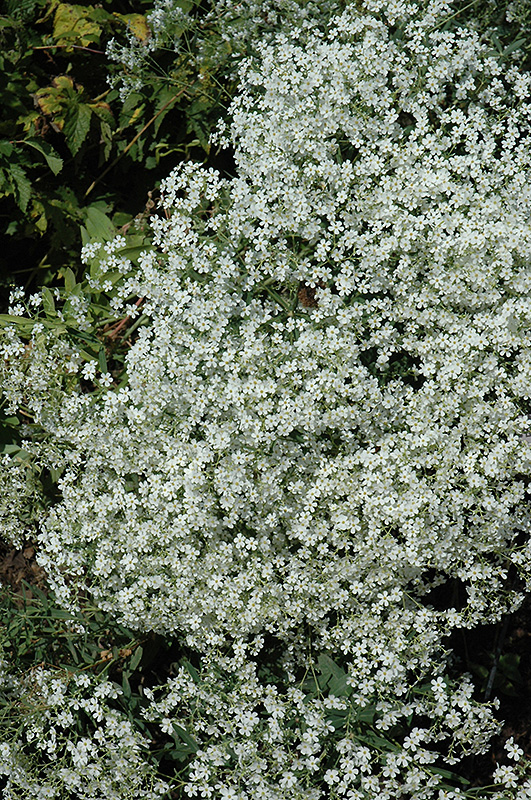
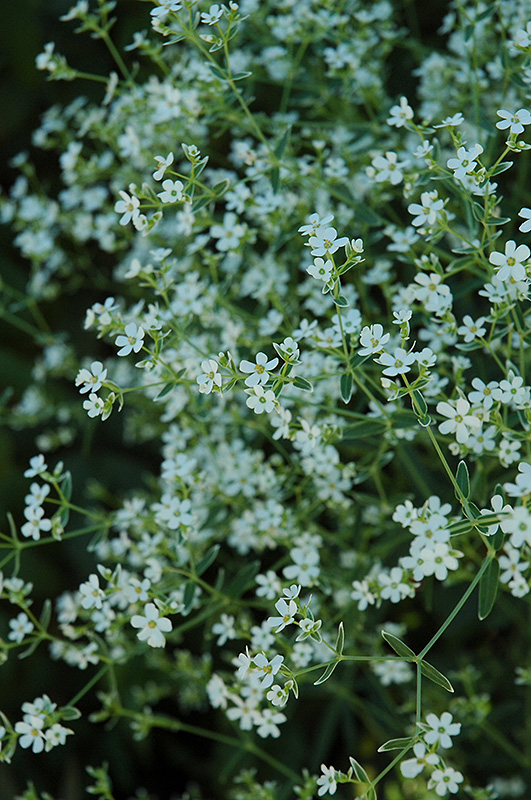
Flowering Spurge features airy cymes of white flowers at the ends of the stems in mid summer. Its narrow leaves are bluish-green in color. As an added bonus, the foliage turns a gorgeous crimson in the fall.
Landscape Attributes
Flowering Spurge is an herbaceous perennial with a mounded form. Its relatively fine texture sets it apart from other garden plants with less refined foliage.
This is a relatively low maintenance plant, and should be cut back in late fall in preparation for winter. Deer don't particularly care for this plant and will usually leave it alone in favor of tastier treats. It has no significant negative characteristics.
Flowering Spurge is recommended for the following landscape applications;
- Mass Planting
- Border Edging
- General Garden Use
Planting & Growing
Flowering Spurge will grow to be about 30 inches tall at maturity, with a spread of 18 inches. Its foliage tends to remain dense right to the ground, not requiring facer plants in front. It grows at a slow rate, and under ideal conditions can be expected to live for approximately 10 years. As an herbaceous perennial, this plant will usually die back to the crown each winter, and will regrow from the base each spring. Be careful not to disturb the crown in late winter when it may not be readily seen!
This plant should only be grown in full sunlight. It is very adaptable to both dry and moist growing conditions, but will not tolerate any standing water. It is not particular as to soil pH, but grows best in sandy soils. It is quite intolerant of urban pollution, therefore inner city or urban streetside plantings are best avoided. This species is native to parts of North America, and parts of it are known to be toxic to humans and animals, so care should be exercised in planting it around children and pets. It can be propagated by division.
Sizes Available:
4.5" CONT $8.99